
What Is a Self-Custodial Wallet? A Beginner's Guide
Learn what a self-custodial wallet is, why custody matters after FTX, and how Ondex helps XRP Ledger users keep direct control.
ตรวจทานเมื่อ 2026-06-15 โดย Ondex Team
บทความนี้กำลังแสดงเป็นภาษาอังกฤษสำหรับ locale ของคุณ
หมายเหตุความเสี่ยง
This guide explains wallet custody and product safety. It is not investment, legal, tax, recovery, or exchange-risk advice.
Quick Answer
A self-custodial wallet is a crypto wallet where you control the wallet access needed to approve transactions. The wallet app helps you view balances, prepare actions, and sign from your device, but it does not become the party holding your crypto for you.
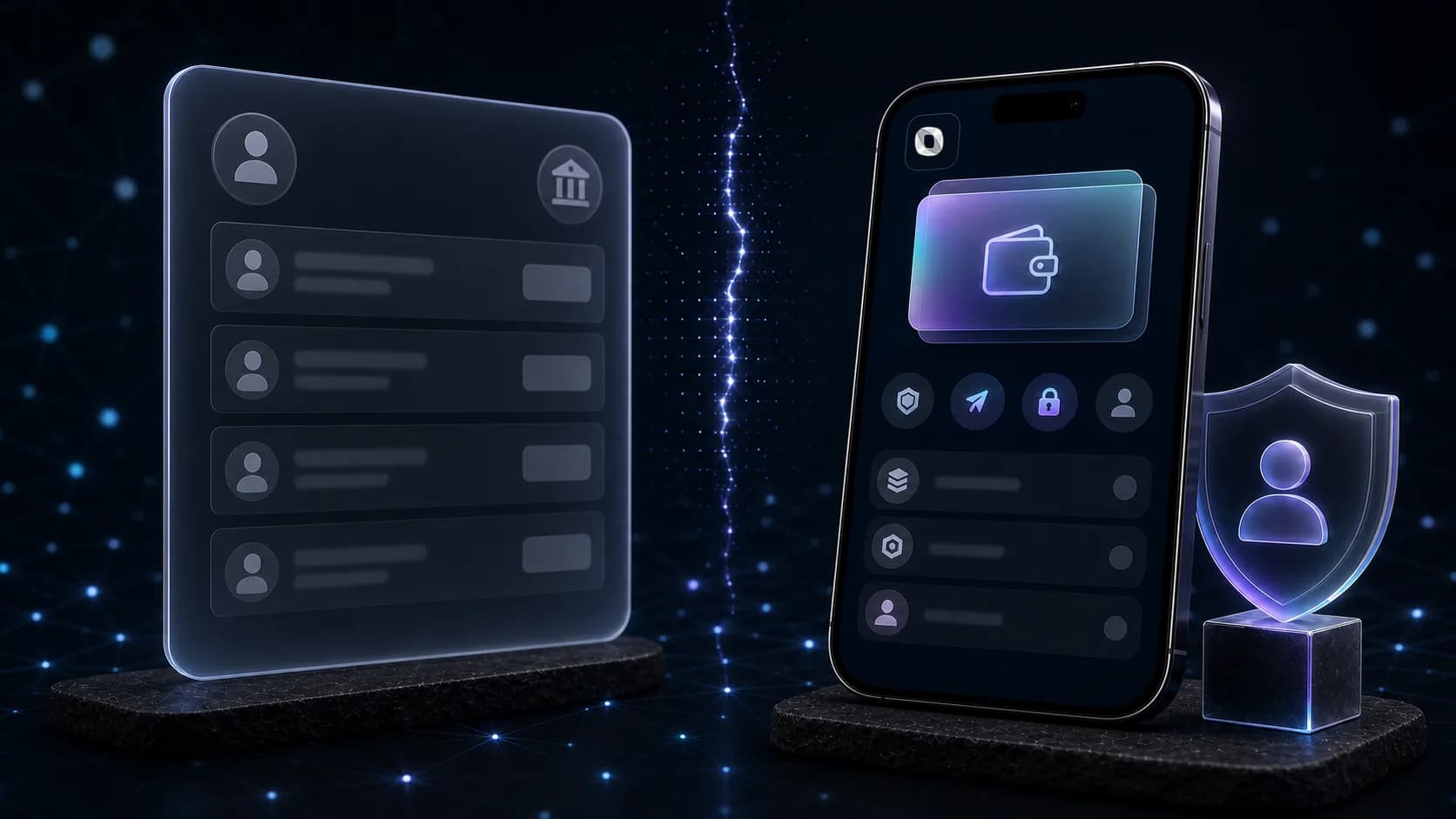
That is the core difference from leaving crypto on an exchange. On an exchange, your account balance depends on the exchange's internal systems and withdrawal process. In a self-custodial wallet, you interact with the network through wallet software while keeping responsibility for backup, device security, and approval decisions.
Ondex is built for this model on the XRP Ledger. It gives XRP users a polished mobile wallet experience while keeping the self-custody boundary clear: Ondex can explain product flows and show security context, but it cannot take custody of user funds or recreate secrets only the user controls.
Why does self-custody matter after FTX?
FTX made custody a mainstream question because many users learned that an exchange balance is not the same as direct wallet control. The lesson is not that every exchange is identical. The lesson is that custody model matters.
When crypto sits on an exchange, the user depends on the exchange to keep records correctly, honor withdrawals, manage its own risks, and stay operational. When crypto sits in a self-custodial wallet, the user accepts a different responsibility: keep the backup private, review transactions carefully, and understand that approved blockchain actions usually cannot be undone by support.
Self-custody does not remove every risk. It changes which risks you are taking and who controls the final authorization step.
Self-custodial wallet vs exchange account
The simplest comparison is control.
- With an exchange account, the exchange controls the infrastructure that lets you withdraw or trade from that account.
- With a self-custodial wallet, you control the wallet access that approves network transactions.
- With an exchange, support may help with account login problems, but withdrawals depend on the exchange.
- With self-custody, a wallet app can guide you, but it cannot replace a lost secret or undo a valid signed transaction.
- With an exchange, convenience can hide custody risk.
- With self-custody, responsibility is visible from the start.
This is why first-time users should not treat self-custody as a slogan. It is a practical operating model.
What new users often fear
The most common fear is losing access. That fear is reasonable. A self-custodial wallet gives the user more direct control, and direct control includes backup responsibility. Before moving meaningful value, understand where your backup is, what it restores, and what Ondex can and cannot recover.
Another fear is making a mistake. Slow review helps. Read the asset, destination, amount, network, fee, and app context before approving. If a request is rushed, unclear, or arrives from a chat message, stop.
A third fear is that self-custody must feel technical or rough. It does not have to. Ondex is designed so XRP Ledger users can use a modern mobile wallet without turning the experience into a command-line exercise. The important boundary stays the same: the app can make the flow clearer, but the user remains the final controller.
What Ondex can and cannot do
Ondex can help users create and use a self-custodial XRP wallet, review product flows, understand on-device signing, and find public security information through the Ondex security page.
Ondex cannot hold wallet secrets for users, recreate a lost seed phrase or private key, guarantee an exchange withdrawal, promise market outcomes, or reverse a transaction the user approved on the network.
That can-and-cannot boundary is the point. A useful self-custodial wallet should make control feel understandable without pretending responsibility disappeared.
Before moving crypto off an exchange
Before you withdraw from an exchange into any self-custodial wallet, do a small readiness check.
- Download from the official Ondex download page, not a random link.
- Understand what backup material exists and where it is stored.
- Keep recovery material out of screenshots, chats, email, and cloud notes.
- Send a small test amount first when you are learning a new flow.
- Check whether the exchange requires a destination tag for XRP withdrawals.
- Review every approval on your device before signing.
- Read on-device signing basics before approving unfamiliar wallet actions.
Self-custody is easier when you practice before pressure appears.
FAQ
Is a self-custodial wallet the same as a non-custodial wallet?
In most user-facing crypto education, yes. Both terms usually mean the user controls wallet access instead of giving custody to a provider.
Is a self-custodial wallet safer than an exchange?
It is a different custody model, not a magic safety label. Self-custody reduces dependence on an exchange for wallet control, but it increases user responsibility for backup and transaction review.
Can Ondex recover my wallet if I lose my backup?
No. Ondex can explain product behavior and safety boundaries, but it cannot recreate wallet secrets that only the user controlled.
Do I need self-custody for every crypto action?
Not necessarily. Some users keep small amounts on exchanges for convenience. The important step is understanding the tradeoff before deciding where to hold XRP or other assets.
What should I do before sending XRP from an exchange?
Confirm the receiving address, check whether a destination tag is required by the exchange flow, start with a small test if you are unsure, and keep your backup private.
Does Ondex hold my XRP?
No. Ondex is a self-custodial XRP wallet. It helps you interact with the XRP Ledger, while wallet approval and backup responsibility remain with the user.
Next Step
If you are new to self-custody, start with the official Ondex download page, read the Ondex security page, and move slowly before withdrawing crypto from an exchange.